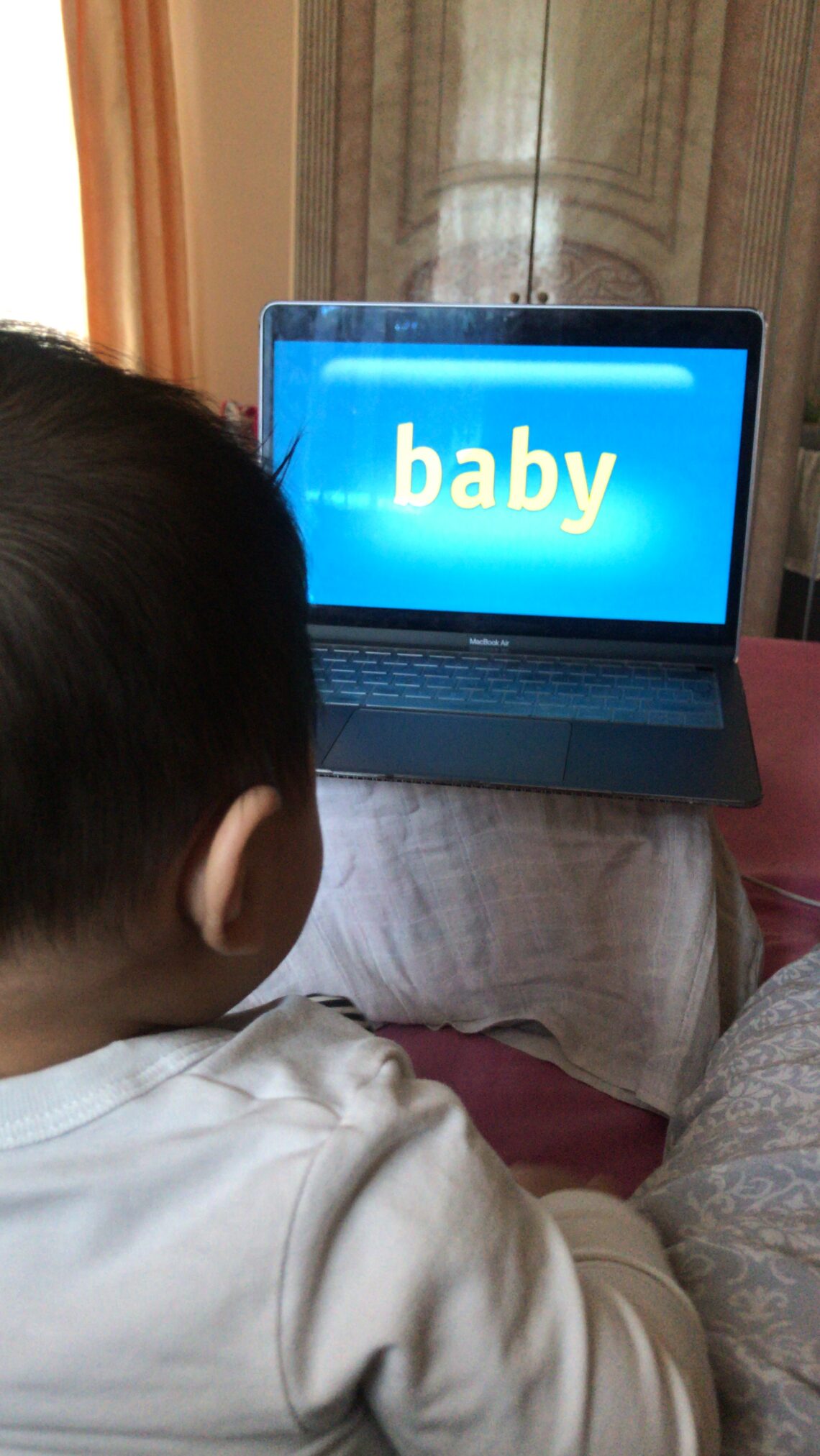
Our Early Reading Journey: How We Helped Our Son Read at Age 2
If you’re just after the practical info, by all means skip down to the tips at the end. But if you fancy a good story (and a bit of a laugh at my expense), read on. After all, every good parenting journey starts with a little chaos and a lot of caffeine.
It All Started at the Baby Show (2019)
Let’s rewind to 2019. I was expecting my first child and, as any excited soon-to-be mum does, I dragged my husband to the Baby Show at the NEC in Birmingham. Okay, dragged might be a bit strong. He was actually quite keen.
I was there for the shopping, the freebies, and maybe a pram browse. My husband, on the other hand, was all about the talks and educational stands. Not my cup of tea at the time!
We sat through a first aid course (which was genuinely useful, I’ll admit) and then, to my horror, a presentation by an American professor about teaching babies to read. All I wanted was a sandwich, not a lecture! But my husband was glued to every word.
By the end of the day, we were the last couple left and the stalls were packing up. Surprise, surprise: he was deep in conversation with the professor. He promises me he’s not spending any money. We both know he’s lying.
Next thing I know, we’re lugging home a deluxe ‘Your Baby Can’ package in three languages, and my arms have never been the same since.
February 2020 rolls around and we welcome little Ibrahim. We’d already decided there’d be no endless screen time, no nursery rhyme marathons with music that haunts your dreams, just this one educational programme and plenty of books.
(I stuck to this… mostly. Family gatherings are a law unto themselves.)
Starting the Programme: Three Months Old
We started the videos when Ibrahim was about three months old. I made sure to read with him every day, over and over again.
Our health visitor gifted us ‘Chuffa Chuffa Choo Choo’ and I think I could still recite it in my sleep. He loved it so much, he memorised bits and started saying words and short sentences before he could even walk.
My claim to fame? Raising a toddler with better diction than most adults.
The first real jaw-dropper happened around six or seven months old. Ibrahim started copying actions from the videos, sometimes even before the word was said.
I had a video of him watching a French lesson, the girl says “Levez les bras” (“arms up”) and up shoot his little arms. I thought to myself, blimey, he’s beating me at French already!
Fast forward to bath time, 11 months in. Ibrahim grabs a book with body parts, points to his head and, in the deepest voice you’ve ever heard from a baby, says “Heaaaad” whilst pointing at the word head.
I sent the video to the family WhatsApp, got flooded with heart emojis and “mashaAllahs,” and yes, I felt a bit smug.
Then came the flashcards. I’d lay them out, ask “Which word says…?” and he’d point, sometimes even do the action. He wasn’t exactly Shakespeare, mainly grunts and points, but he got most right.
I even tried him with Arabic words from Surah Ikhlas at 14 months, and he picked them up with almost frightening speed.
By 17 months, he was sounding out words and numbers. We’d drive past the speed limit sign and he’d shout out the number (helpful for my husband’s driving, not so much for my nerves).
He read ‘Sandwell’ off a bin and made a habit of pointing it out every time we passed. At this point, I considered enrolling him in the council.
You might be thinking, okay, but did he actually understand what he was reading?
Moving On to “Real” Books
After finishing the programme, we moved on to the Oxford Reading Tree Biff and Chip books. By age four, he’d outgrown the series.
Now, at five, he’s demolishing Roald Dahl and the Beast Quest books. My bookshelf has never looked so well-loved (or so messy).
The honest answer is sometimes, not really. He could read the words, but ask him about Biff and Chip’s adventures and I’d get a blank stare or just rambling about nothing.
Luckily, that’s changed now. He’ll happily chat about plots and characters, though I’m still waiting for his essay on the deeper meaning of George’s Marvellous Medicine. (Just kidding!)
Our Relaxed Approach to Writing & Grammar
I’m not stressing about grammar or handwriting for now. He’s five! If he’d rather read than write, that’s fine by me. I’m also not fussed about people’s opinion’s on our approach or the lack of a set curriculum. We’re content with our choices at the moment and as we move forward, we will see where life takes us.
I’m just here to keep learning fun while sneaking in a cup of coffee whenever I can.
A Quick Note on Quran Memorisation: I genuinely think this early reading journey helped him start memorising Quran too, but that’s a story for another day.
About the Programme (For the Curious)
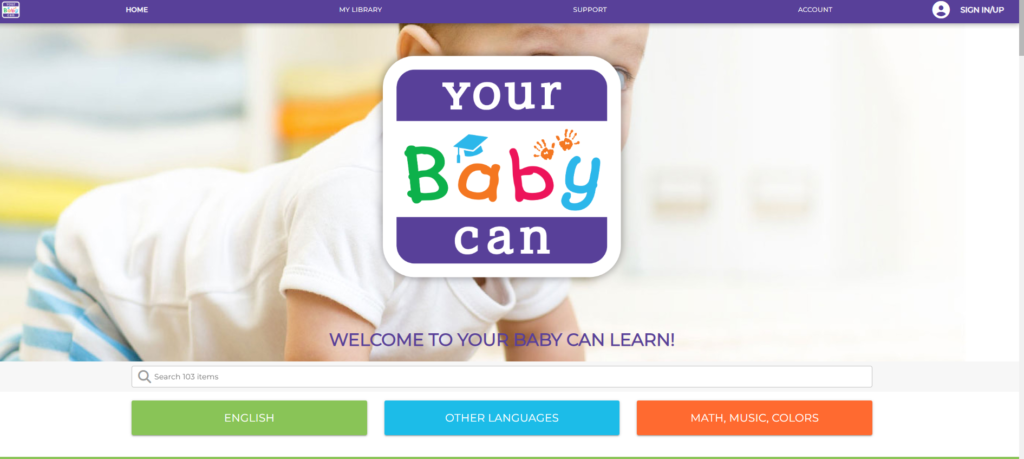
Company: ‘Your Baby Can’
https://your-baby-can.co.uk/
Digital videos:
https://digital.yourbabycanlearn.com/
(Buy it outright—subscriptions are for gym memberships you never use)
Programme overview (science bit):
https://yourbabycanlearn.com/infocms/product-information/overview-of-the-approach/
Professor: Dr Bob Titzer
P.S. I don’t get commission for this and it is not an affiliate link. I would highly recommend you read all of their information and watch the videos they have and then decide if it’s suitable for your family.
So, where do you start? Or maybe your little one isn’t a baby anymore. Will it still work? Yes, absolutely.
Consistency is key, and you need to be strict about other screen time. The videos are a bit retro, but if it ain’t broke, don’t fix it.
Here’s my not-so-expert, definitely mum-tested guide:
Step 1: Check out the links and do your own research. Decide what works for your family (screens, music, nursery rhymes—you know your child best).
Step 2: Pick your languages and find the schedule on the website.
Step 3: Stick to it. We even did the videos on holiday. If your child revolts, take a break and try again.
Step 4: Read, read, and read some more. Use big words, full sentences, and avoid baby talk if you can (I know, it’s hard!).
Step 5: Relax. It’s not a race. If it works, brilliant. If not, at least they’ve had a go.
”… And remember, every child is different, so enjoy the ride.”
I’ll be honest, we never kept up with the French and Dutch, despite my husband’s first language being Dutch and my mother-in-law’s mother tongue being French.
But hey, the more languages their little brains hear, the better for those neural pathways (or whatever the experts say).
That’s it from me! Thanks for sticking around for our family’s reading adventure. If you’ve got any questions or want to share your own stories, pop them in the comments.
Just remember, my kids and their cousins will be reading too, so be nice!
And if you’d like to hear more about our home education chaos, subscribe and join our little community. There’s always room for one more in the madness.