Things People Assume When Your Toddler Reads
When people find out your toddler can read, the assumptions start rolling in. Some whispered, some bold, some delivered with a raised eyebrow and a very serious nod. Here are a few of the classics.
“You must have worked extremely hard.”
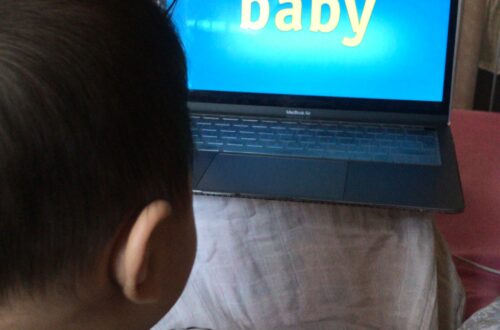
Honestly? Not really. He was our first child, it was during Covid, and yes we had more time than most. But early on, it was mainly reading together, chatting, playing with words and making it fun. There was no strict timetable or pressure. The only structure we did have and this still makes us pause was two videos a day from an early reading programme. They weren’t flashy, modern or overstimulating. Very retro. Very simple. But they worked. We were conflicted about screens, so we limited them heavily everywhere else and tried to be intentional. Perfection? No. Balance? We tried.
“You must be really strict. Poor child probably never has fun.”
This one annoys me. The truth is, Ibrahim loved learning. We didn’t separate learning and fun like they were enemies. Reading, counting, talking, exploring all of it was part of everyday life. Some people treat learning as something serious you do first, then fun comes later as a reward or you just do ‘fun’ until you start school. We didn’t see it that way. Why wouldn’t we nurture our child’s mind while he’s laughing, playing and enjoying himself? Seeking excellence is part of our faith. Ihsan isn’t about pressure. It’s about doing things well with sincerity.
“So all he does is read then?”
LOL. Absolutely not. Yes, he loves books and will happily disappear into one. But that’s not his whole personality. He plays sports, builds Lego, gardens, cooks and bakes, socialises with friends and family, attends classes, plays games and runs around like every other child. We don’t force reading. We just provide opportunities. Our aim is to enrich him so he’s equipped for the future, not boxed into one skill.
“But what about social skills… especially with home education?”
This one is fascinating. People will say this very confidently, yet wouldn’t accept the same assumption in reverse. Ibrahim talks to people he doesn’t know with ease. He’s been well spoken since he was around two, to the point people often assume he’s older than he is. We even have a running joke in the family. My younger brother will get frustrated and say, “Ibrahim why are you acting like a five year old?” and Ibrahim will calmly reply, “I am five years old, mama.” Reality check delivered.
“He must just be naturally smart.”
Maybe. He is curious, advanced in many areas and loves learning. But I don’t think it’s that simple. There were things we did long before he was born that matter. Looking after my health, being active, taking supplements, living intentionally. While pregnant, I read to him, spoke to him and recited the Quran often. After he was born, I continued reading books and reciting the Quran even when he didn’t understand. All of that matters. Effort matters. Du’a matters. Tawakkul matters. And his effort matters too. Because he enjoys learning, when something clicks, he’s eager to learn more. When it doesn’t, he asks. That love makes all the difference.
We’re also very aware of the society our children are growing up in. So many young people today are struggling to find meaningful work, earn enough to live comfortably and actually enjoy what they do. I don’t want to look back one day and think, I wish I had thought about this earlier. Facilitating our children’s learning, encouraging them and empowering them now is something we believe will benefit them in the future. They still very much have their childhood and I would even argue that doing nothing and expecting the system to do all the work can unintentionally set children up for failure. If people can make bold assumptions about our family, we can at least be honest about our thought process. Respectfully. They are loving life. We travel, go on regular outings, they play, socialise, learn and explore. Education is a right and everyone’s method will look different. What works for our family may not work for others and that’s okay. We fully accept that not everyone has the same resources, time or mindset and that’s fine too. We just don’t believe we should constantly have to justify our choices.
At the end of the day, children are an amanah. We’re not trying to raise geniuses. We’re trying to raise confident, curious, grounded humans who strive for excellence for the sake of Allah, not applause.
Other things people often assume
• That he’s under pressure or stressed
• That childhood is being rushed or stolen
• That siblings will automatically be compared
• That this means academic success is the only thing valued
• That it’s about showing off rather than stewardship
• That what worked for one child is being forced onto every child
Parenting a child who reads early doesn’t mean we have it all figured out. It just means we’re doing our best with the tools and time Allah gave us.
With Love,
Kam

You May Also Like